How Can I Actually Save Money When I Have ADHD?

You promise yourself this is the month you'll finally save money. You transfer $200 to savings, feeling like you've got your shit together. And then three days later, you're transferring it back because something came up. If you have ADHD, this pattern probably feels painfully familiar. You want to save, you know you should save, but every dollar that goes into savings somehow finds its way back out. When you have ADHD, the future doesn't feel real, delayed gratification is torture, and every dollar feels urgent right now. But it IS possible to save and even get dopamine from saving. In this post, I'm breaking down why saving money feels impossible with ADHD and the systems that actually help: one clear goal you care about, making saving create dopamine, moving money you saved by not spending, automation, and starting so small it feels easy.

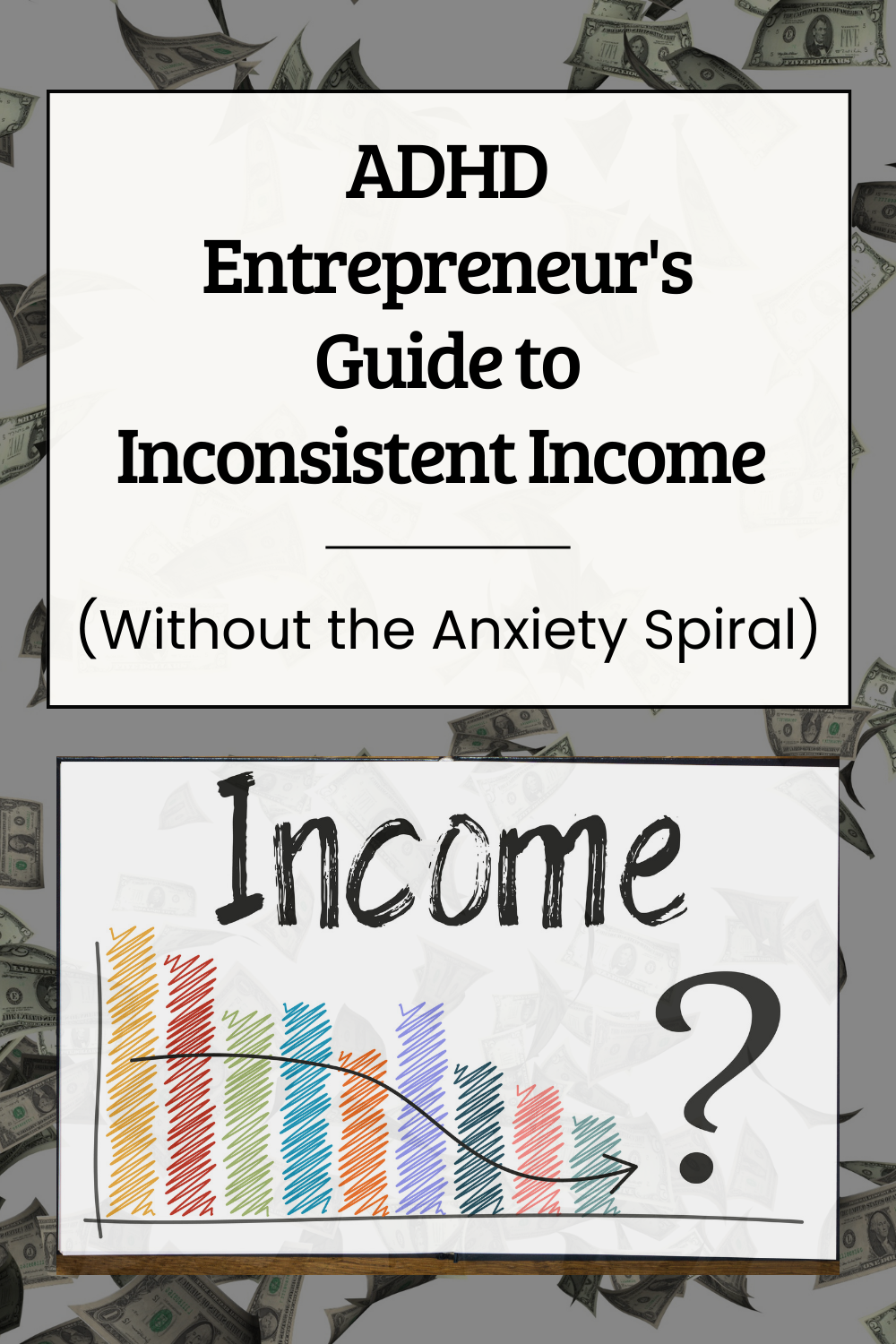
ADHD Entrepreneur's Guide to Inconsistent Income (Without the Anxiety Spiral)

It's the third week of the month and you've booked zero new clients.

Your brain immediately goes to: the business is failing, everyone figured out you're a fraud, you should get a regular job. Then next month five new bookings in one week and suddenly you're flush with cash and convinced you've finally figured it out. If you're an ADHD entrepreneur dealing with inconsistent income, this feast or famine rollercoaster probably feels familiar. The panic when it's slow, the overspending when it's good, the catastrophizing that one slow week means everything is dying. In this post, I'm breaking down why inconsistent income hits different with ADHD and the systems that actually help: understanding your seasonal patterns, building a buffer, paying yourself consistently, and the mindset shifts that stop the anxiety spiral.

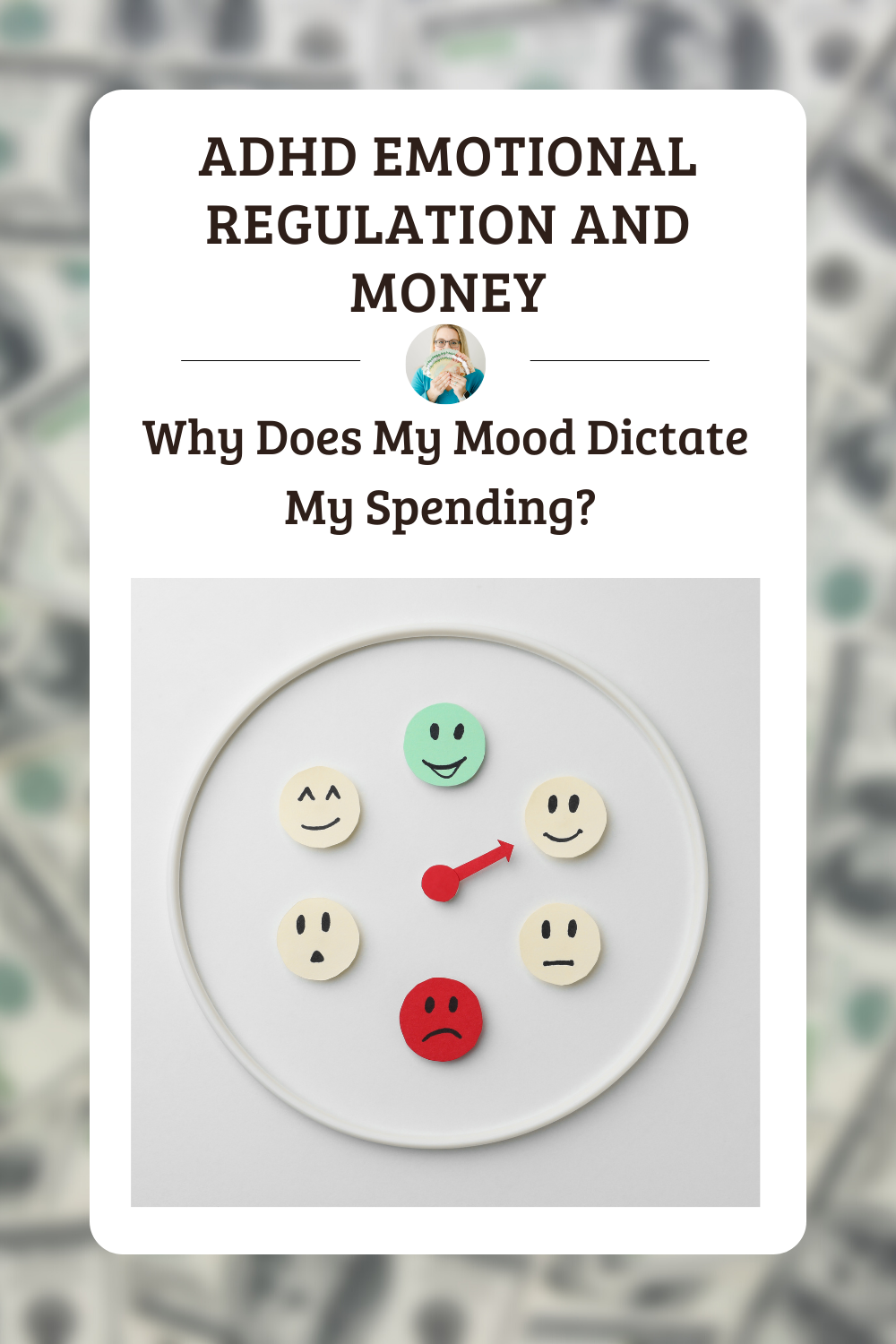
Why Does My Mood Dictate My Spending? ADHD Emotional Regulation and Money

You had a terrible day at work and somehow there's $200 in your online cart.

You got great news and suddenly booked a trip you didn't budget for.

You're bored and bought three things you don't need.

If you have ADHD, you've probably noticed a pattern: your mood and your spending are deeply connected. This isn't just impulse buying. This is emotional spending, using money to regulate your emotions when ADHD makes emotional regulation already fucking hard. In this post, I'm breaking down why ADHD makes emotional spending worse (emotional dysregulation, dopamine seeking, difficulty pausing) and the five systems that actually help: separate accounts for emotional purchases, cash flow clarity, meaningful goals, strategic friction, and alternative dopamine sources. Learn how to change this pattern without willpower or restriction.

ADHD Entrepreneur: What to Do When a Client Doesn't Pay

You've done the work. Delivered the service. Sent the invoice. And now? Radio silence. Or worse, a string of "I'll pay you next week" messages that turn into next month, then disappear entirely. If you have ADHD, this scenario probably triggers a special kind of hell. The anxiety. The people-pleasing voice that says "maybe they're just going through something." The RSD screaming "they hate your work and that's why they won't pay." In this post, I'm breaking down how to handle non-paying clients in a way that protects both your business and your mental health: prevention systems that work, the three-step follow-up process, when to pursue vs when to let it go, and how to manage the ADHD and RSD factor that makes this so fucking hard.

How to Actually Pay Off Debt When You Have ADHD (Not Just Transfer It)

You know the script. You're going to make a plan and stick to it THIS TIME. List all your debts, calculate interest rates, choose a method, and stay focused. And then... nothing happens. Or you make a few payments, feel good, and then life gets busy. Suddenly you're back to paying minimums, or worse, adding more debt while trying to pay it off. Here's the truth: you're not failing because you lack discipline. Traditional debt payoff strategies were designed for neurotypical brains that work completely differently than yours. In this post, I'm breaking down why traditional methods fail ADHD brains (the dopamine desert, executive function overload), and the five strategies that actually work: automation, visual tracking, chunking, fun money, and picking the debt that pisses you off most.

Why Is Tracking My Spending So Hard With ADHD And What You Should Do Instead?

You know what you're supposed to do. Track your spending. Check your account. Stay on top of things. And you're not stupid. You manage complex projects at work, organize everyone else's life, solve problems that would break other people. But when it comes to tracking your own spending? You can't seem to make it stick. Here's what I need you to hear: You are not broken. You are not lazy. You are not failing at being an adult. The system you've been told to use was never designed for your brain. In this post, I'm breaking down why tracking every dollar doesn't work for ADHD brains, what's really happening when shame and avoidance take over, and the one change that makes money management actually doable without the guilt spiral.