How Do You Save for Retirement When You Have ADHD?

Retirement feels like an impossible goal to achieve but also a concept from another planet. You're supposed to care deeply about a version of yourself that lives thirty or forty years in the future and put some of your today money away for this person who doesn't feel real? When you can't always remember what you had for breakfast, planning for a theoretical future feels absurd. So you don't. You tell yourself you'll start next year or when you make more money. But Future You is coming whether you prepare or not. In this post, I'm breaking down why retirement planning feels impossible with ADHD, how to make Future You feel real, starting with tiny amounts that feel easy, automating everything, understanding your retirement account options in Canada and the US, and why this is an act of self-respect not deprivation.

ADHD Entrepreneur: Should You Offer Payment Plans to Clients?

You're setting up pricing or planning a price increase and hit the question: should you let clients pay in installments or require full payment upfront? Payment plans could make your services more accessible, but you've heard horror stories about clients who stop paying halfway through or after you've delivered everything. If you're an ADHD entrepreneur, this decision feels even more complicated because managing payment plans requires organization, follow-up, and tracking. All things your brain finds challenging. In this post, I'm breaking down the pros and cons of offering payment plans for both you and your clients, how to protect yourself including not delivering in full until you're paid, using services that pay you upfront while clients pay installments, requiring significant deposits, and being selective about who gets payment plans.

How Can I Actually Save Money When I Have ADHD?

You promise yourself this is the month you'll finally save money. You transfer $200 to savings, feeling like you've got your shit together. And then three days later, you're transferring it back because something came up. If you have ADHD, this pattern probably feels painfully familiar. You want to save, you know you should save, but every dollar that goes into savings somehow finds its way back out. When you have ADHD, the future doesn't feel real, delayed gratification is torture, and every dollar feels urgent right now. But it IS possible to save and even get dopamine from saving. In this post, I'm breaking down why saving money feels impossible with ADHD and the systems that actually help: one clear goal you care about, making saving create dopamine, moving money you saved by not spending, automation, and starting so small it feels easy.

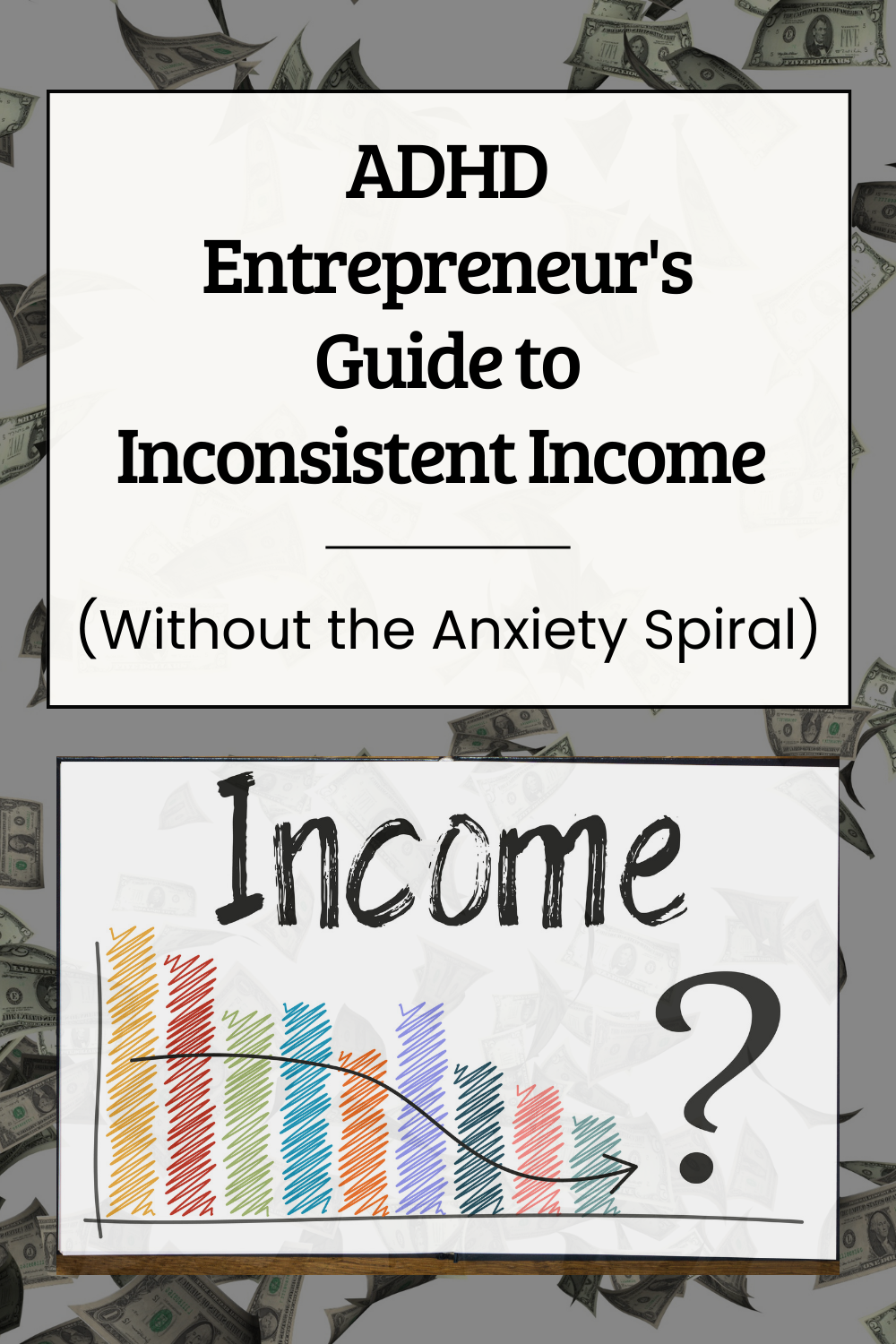
ADHD Entrepreneur's Guide to Inconsistent Income (Without the Anxiety Spiral)

It's the third week of the month and you've booked zero new clients.

Your brain immediately goes to: the business is failing, everyone figured out you're a fraud, you should get a regular job. Then next month five new bookings in one week and suddenly you're flush with cash and convinced you've finally figured it out. If you're an ADHD entrepreneur dealing with inconsistent income, this feast or famine rollercoaster probably feels familiar. The panic when it's slow, the overspending when it's good, the catastrophizing that one slow week means everything is dying. In this post, I'm breaking down why inconsistent income hits different with ADHD and the systems that actually help: understanding your seasonal patterns, building a buffer, paying yourself consistently, and the mindset shifts that stop the anxiety spiral.

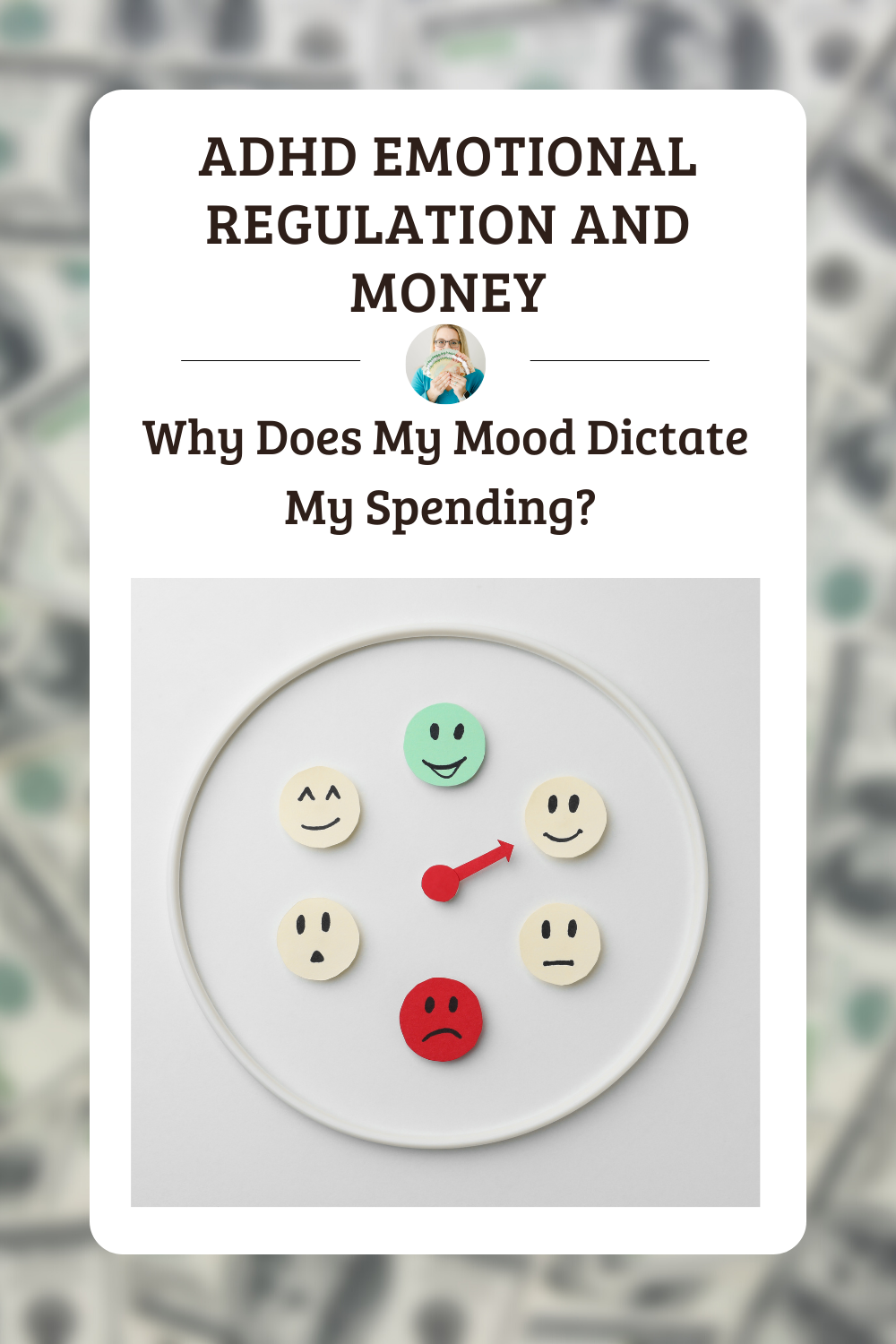
Why Does My Mood Dictate My Spending? ADHD Emotional Regulation and Money

You had a terrible day at work and somehow there's $200 in your online cart.

You got great news and suddenly booked a trip you didn't budget for.

You're bored and bought three things you don't need.

If you have ADHD, you've probably noticed a pattern: your mood and your spending are deeply connected. This isn't just impulse buying. This is emotional spending, using money to regulate your emotions when ADHD makes emotional regulation already fucking hard. In this post, I'm breaking down why ADHD makes emotional spending worse (emotional dysregulation, dopamine seeking, difficulty pausing) and the five systems that actually help: separate accounts for emotional purchases, cash flow clarity, meaningful goals, strategic friction, and alternative dopamine sources. Learn how to change this pattern without willpower or restriction.

ADHD Entrepreneur: What to Do When a Client Doesn't Pay

You've done the work. Delivered the service. Sent the invoice. And now? Radio silence. Or worse, a string of "I'll pay you next week" messages that turn into next month, then disappear entirely. If you have ADHD, this scenario probably triggers a special kind of hell. The anxiety. The people-pleasing voice that says "maybe they're just going through something." The RSD screaming "they hate your work and that's why they won't pay." In this post, I'm breaking down how to handle non-paying clients in a way that protects both your business and your mental health: prevention systems that work, the three-step follow-up process, when to pursue vs when to let it go, and how to manage the ADHD and RSD factor that makes this so fucking hard.